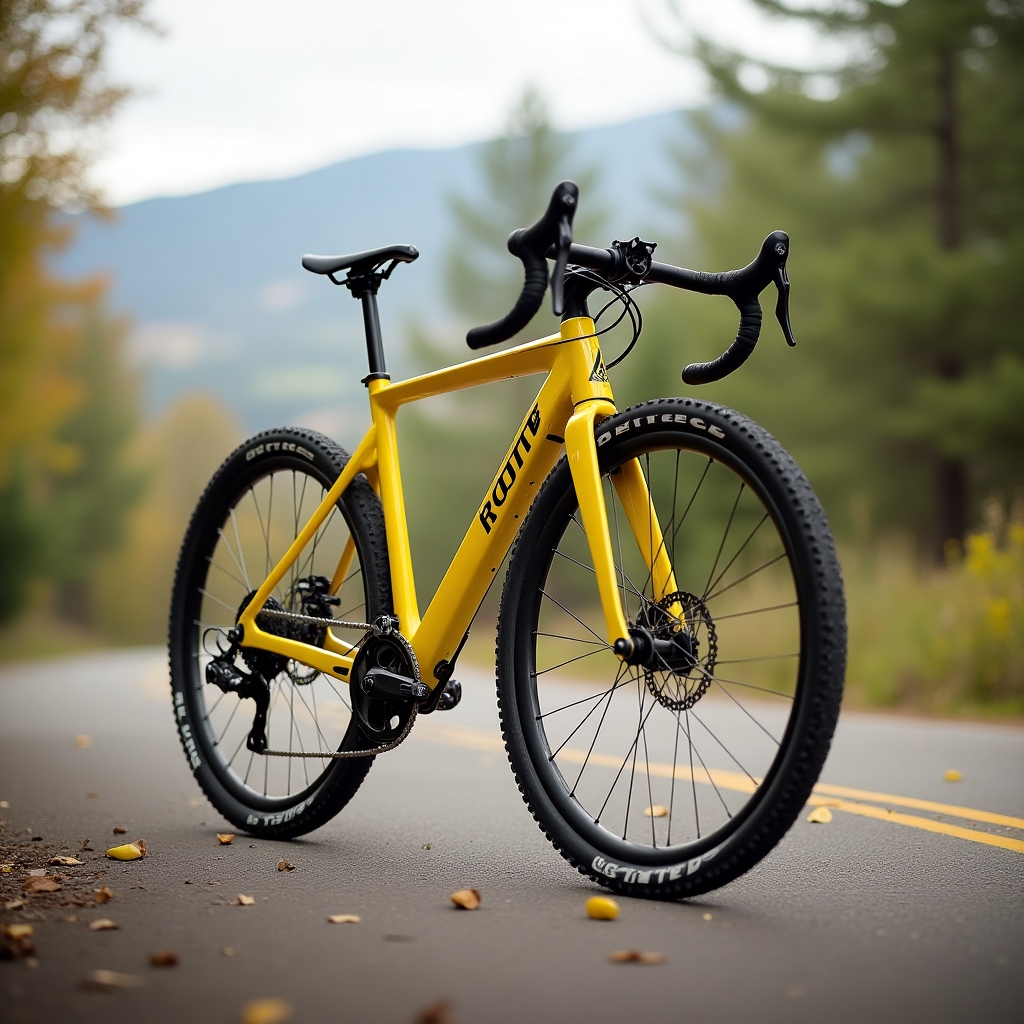
Fan-built Topstone reference

Cannondale Topstone Guide

Explore model evolution, year-by-year specifications, geometry notes, and balanced owner opinions—built for riders who want the full Topstone story without the hype.

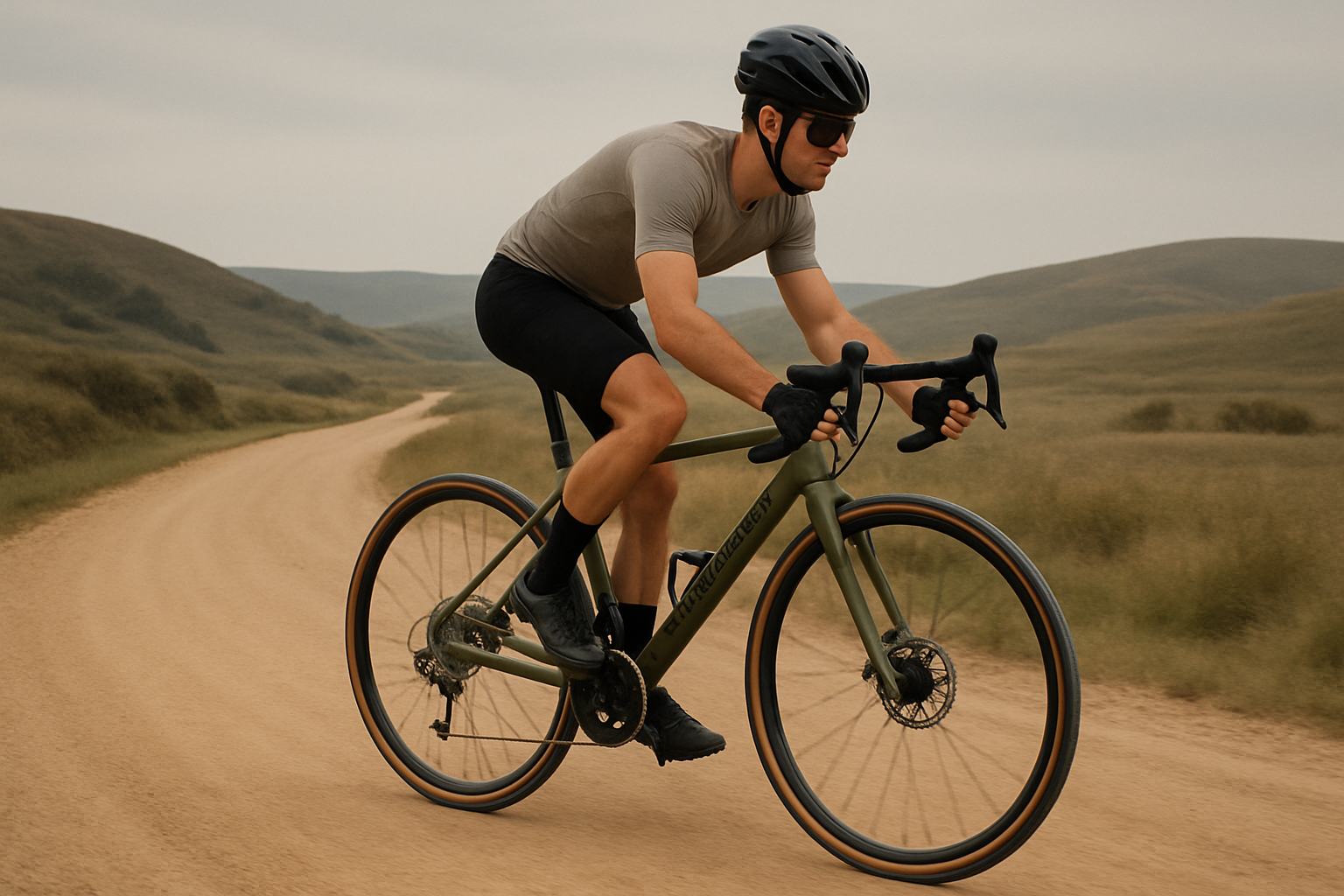
Cannondale Topstone gravel bike ridden on a winding gravel road with rolling hills
Topstone in motion Gravel-ready focus

What you’ll find

quick scan
Model years covered
2019–Present
Frame materials
Carbon & alloy
Key focus
Geometry, drivetrain, tire clearance
Review approach
Pros, cons & owner sentiment

Topstone timeline

How the Topstone lineup evolved for gravel riders

This overview traces the Topstone family in broad eras, focusing on how the range adapted to rider needs, new components, and the growing culture of gravel riding. The goal is a clean, fan-focused guide rather than a definitive archive.

Early era: gravel curiosity to legit category

The first Topstone models arrived as gravel riding shifted from niche exploration to a recognized discipline. Early coverage emphasized versatile geometry, drop-bar comfort, and stability on mixed surfaces, setting a foundation for what would become a larger family.
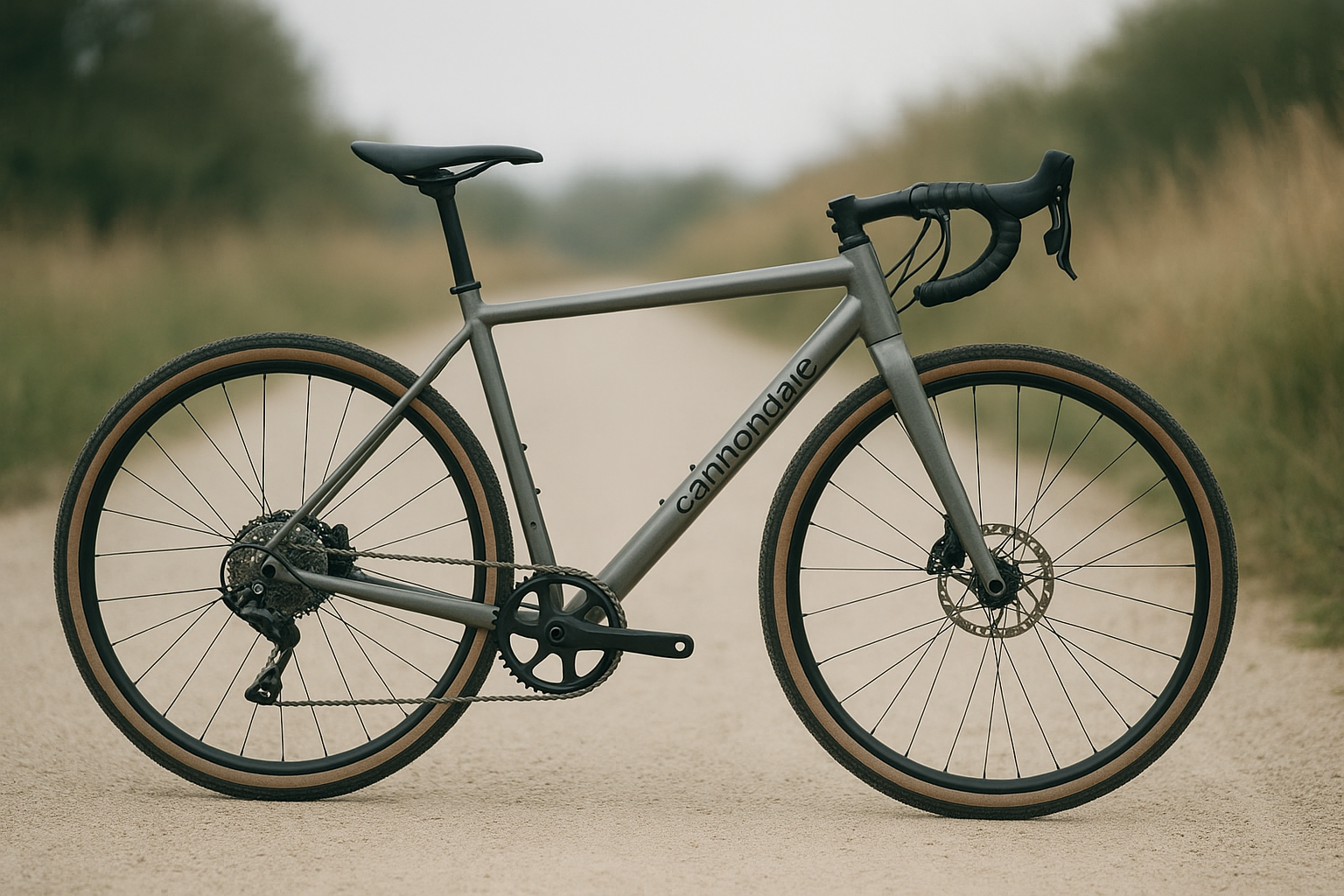
Early-era Cannondale Topstone gravel bike with an alloy frame and simple drop-bar setup on a quiet gravel path
Early era: versatile all-road posture
  • Adventure-ready posture and handling focus
  • Early tire clearance emphasis
  • Component spec tiers for broad budgets
  • Community-driven curiosity and reviews
Expansion era: more frame options, more use cases

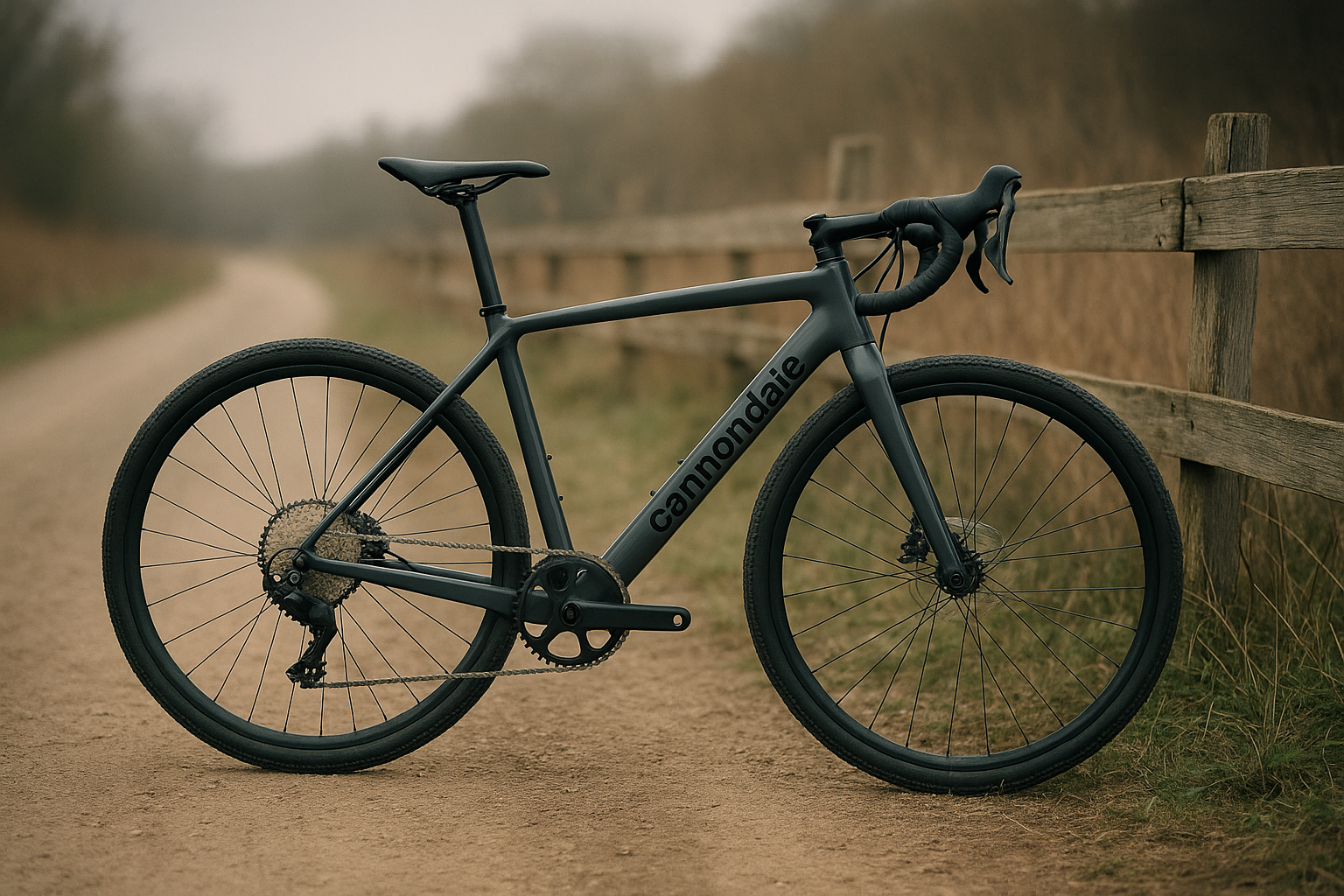
As the category matured, the lineup broadened. Enthusiast notes from this era highlight more specific sub-models, clearer differences in frame materials, and better-defined intended riding styles—from light gravel to rougher mixed terrain.

Mid-era Cannondale Topstone carbon gravel bike with deeper tubes and mixed-terrain tires leaning against a wooden fence
Expansion era: clearer frame personalities

Frame focus

Distinct aluminum and carbon personalities, with riders comparing weight, compliance, and value.

Range clarity

Model naming and spec levels became easier to compare across years.

Current era: specialization and rider fit

The modern Topstone story is about fine-tuning. Owners and reviewers talk about how the line aims to cover a wider spectrum: fast gravel, endurance comfort, and confidence on chunkier routes. Updates are often framed as iterative refinements rather than dramatic resets.

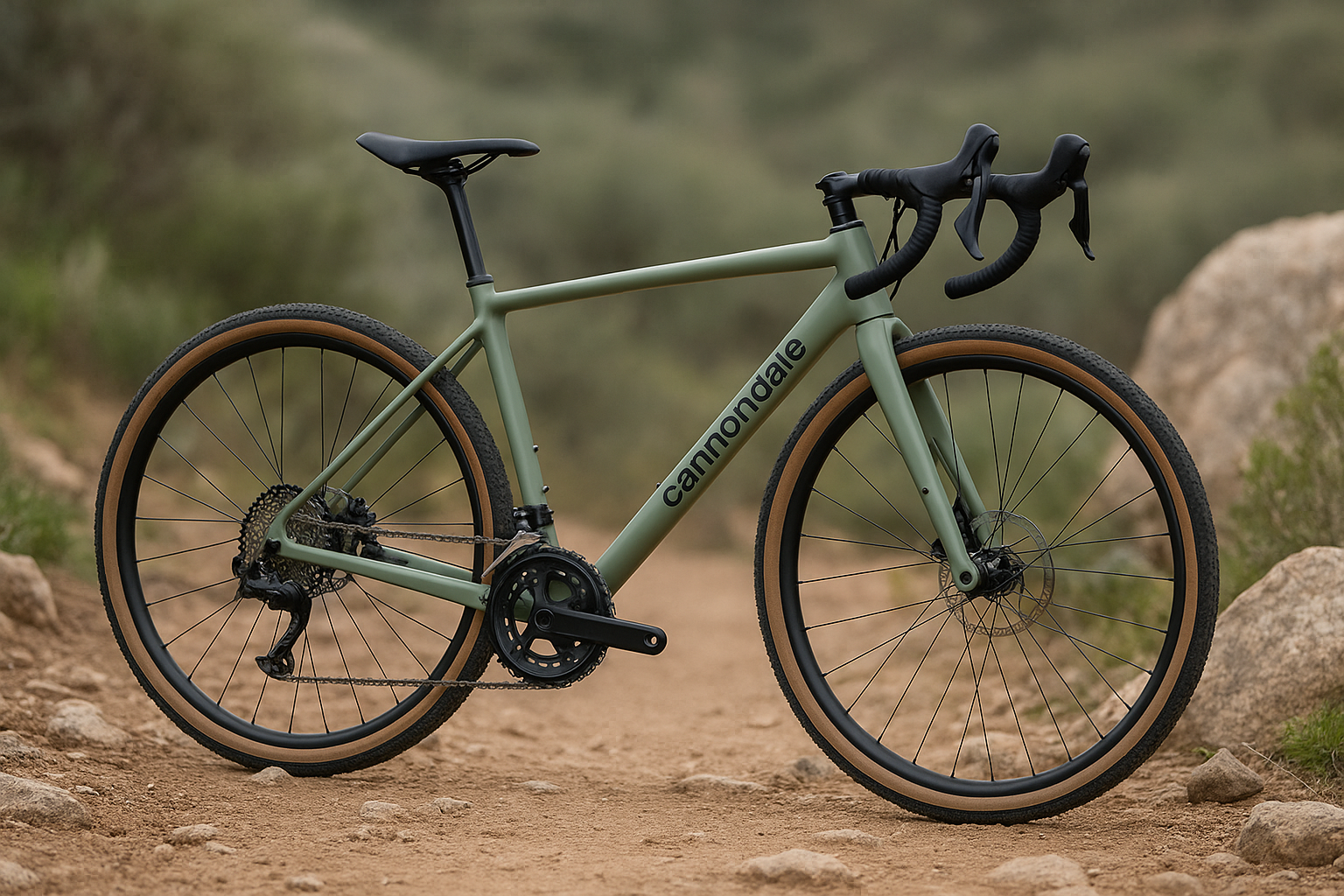
Modern Cannondale Topstone gravel bike with sleek tubing and wide tires posed beside a rocky trail
Current era: tuned for rider fit
  • Geometry tweaks and fit ranges to match rider preferences
  • Drivetrain choices reflecting 1x and 2x camps
  • Practical mounts and clearance aimed at real-world use

Topstone spec comparison

What to compare when reading Topstone spec sheets

Use the guide below to decode real-world differences between model years and trims. Each category highlights how the spec choices change ride feel, maintenance, and who the setup suits.

Editorial focus: neutral, practical, year-by-year friendly

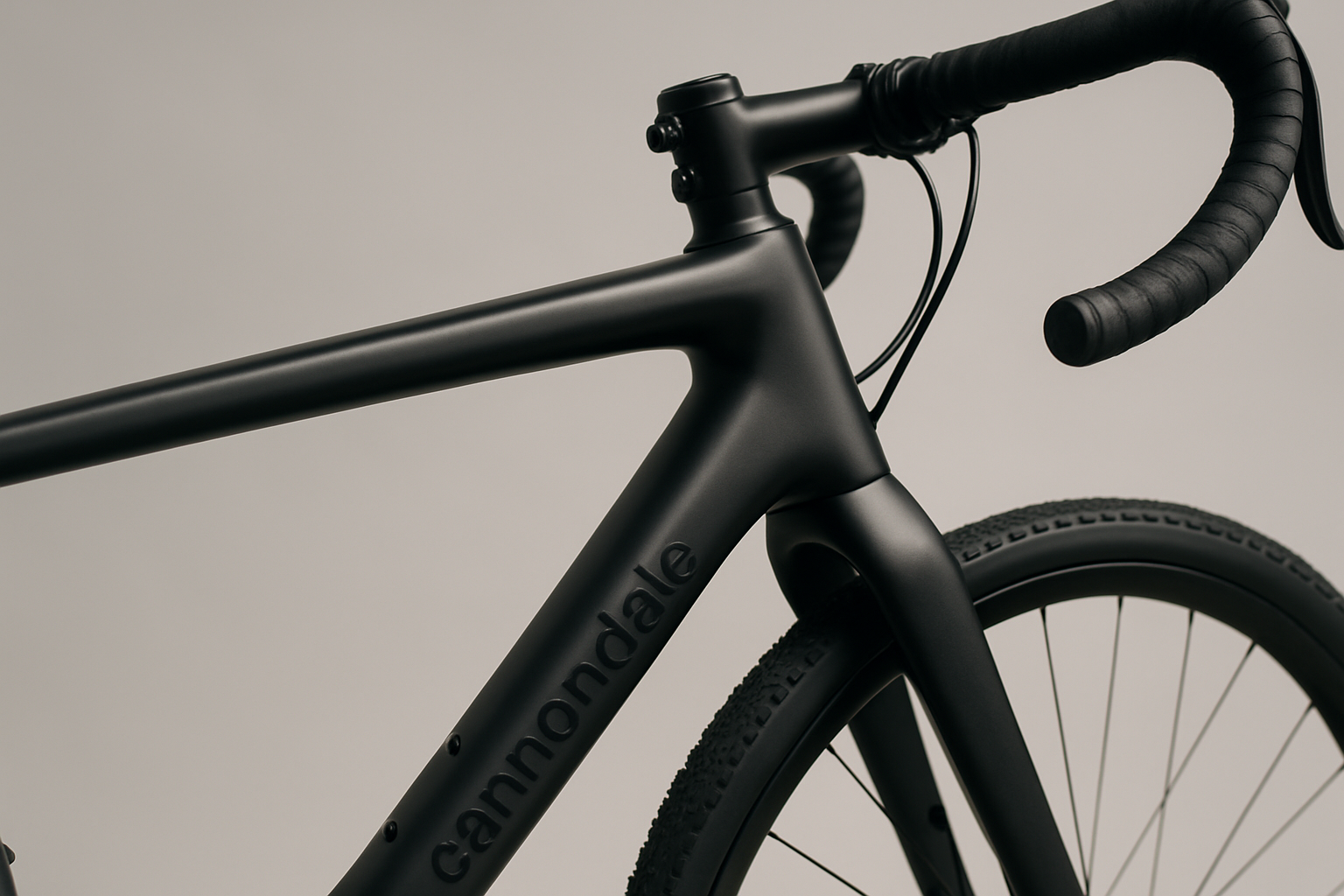
Frame material

Carbon trims emphasize lower weight and faster response, while aluminum keeps repairs simple and resilient for rougher use. Pay attention to whether the fork matches the frame material for ride feel.

Core
Close-up of a modern Cannondale Topstone carbon frame with matte black finish and subtle branding, showing the top tube and fork junction
Who it suits: weight-focused riders vs. durability-first explorers.

Drivetrain range

Look at chainring size, cassette range, and whether the model uses 1x or 2x. Wider range helps steep climbs, while tighter spacing helps smoother cadence on fast gravel.

Gearing
Who it suits: mixed-terrain riders vs. cadence-sensitive road crossovers.

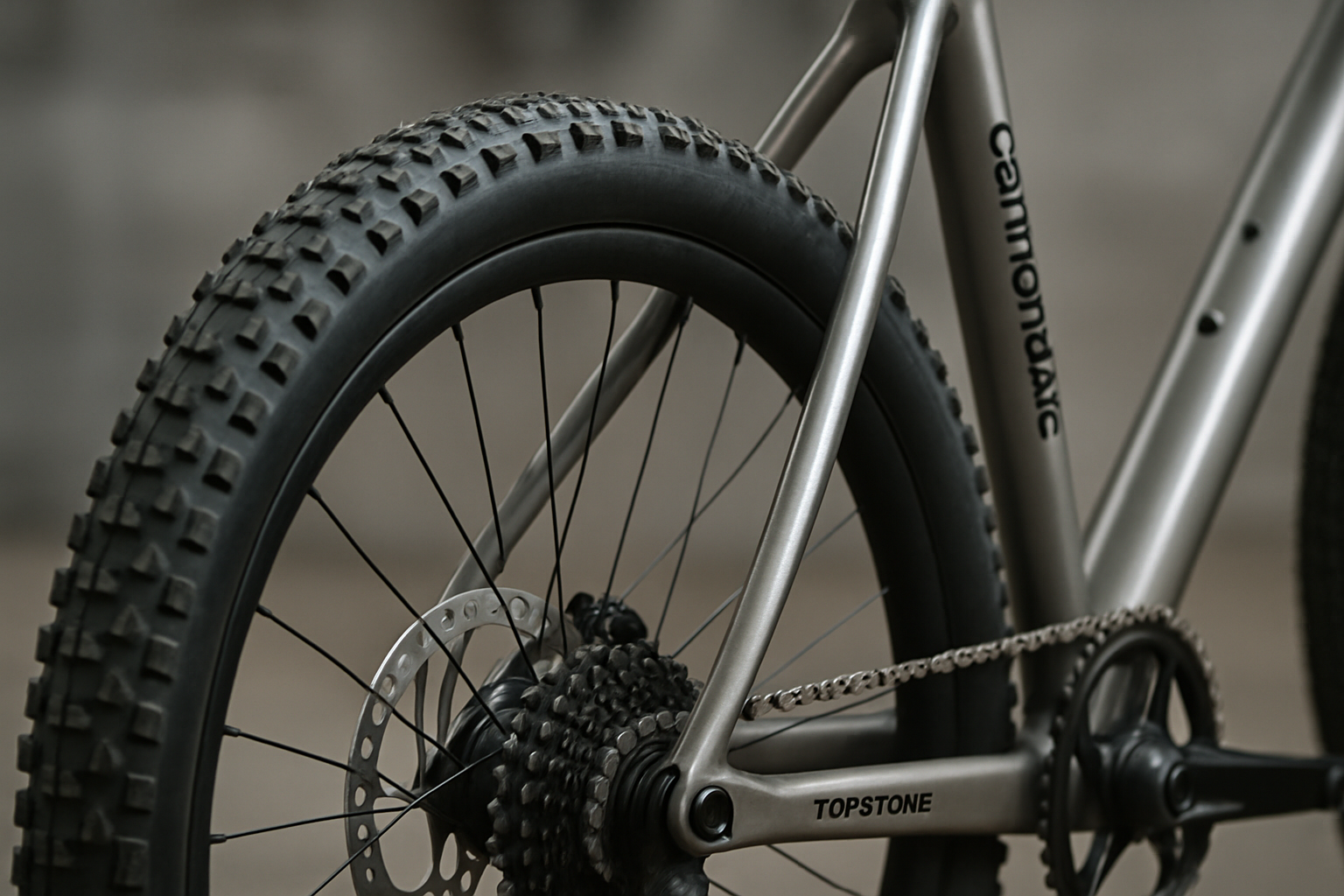
Tire clearance

Clearance affects comfort and traction. Compare measured clearance to wheel size assumptions; some years prioritize 700c fast rolling while others lean into 650b adventure setups.

Traction
Detail shot of a Cannondale Topstone rear wheel with wide gravel tire showing generous clearance between tire and frame
Who it suits: smooth gravel racers vs. bikepackers in loose terrain.

Geometry feel

Head angle, reach, and stack shift the Topstone between agile and planted. Compare numbers year-to-year to spot stability updates or changes for shorter stems.

Handling
Who it suits: tight, technical riders vs. long-distance explorers.

Mounting points

Count top tube, fork, and rack mounts. More mounts mean easier bikepacking setups; fewer mounts can signal a lighter, sport-focused intent.

Utility
Who it suits: overnighters and gear-heavy commuters.

Intended terrain

Compare wheel and tire defaults, suspension elements, and ride tuning. Some trims lean toward fast gravel events, while others favor comfort on broken surfaces.

Focus
Cannondale Topstone gravel bike riding on a wide tan gravel road with rolling hills and muted sky, showcasing mixed-terrain capability
Who it suits: race-oriented riders vs. all-day adventure seekers.

Matching setups to riders

Topstone models vary widely by trim level and year. Use the spec categories above to compare against your terrain, cadence preference, and gear needs instead of assuming a newer model always rides better.

  • Balanced builds: ideal for riders who mix gravel events with weekend exploration.
  • Utility-heavy builds: prioritize mounts, clearance, and serviceability.
  • Performance builds: focus on weight, geometry sharpness, and tight gearing steps.

Owner sentiment

Balanced Topstone owner reviews

Short, experience-based quotes from riders who use the Topstone in different ways. We highlight what owners love and where they think the bike asks for compromises.

Owner praise Owner critique
Pride Gravel racer
“The Topstone feels fast but forgiving. I can push pace on hardpack without getting beat up, and the bike stays composed on loose corners.”

Pros: confident handling, stable at speed

Cons: stock wheels feel heavy for racing

Critique Commuter
“It’s a great all-rounder, but for daily city use I needed fenders and lights. The mounting points are fine, yet the setup took more time than expected.”

Pros: smooth ride, versatile geometry

Cons: accessory setup requires planning

Pride Weekend explorer
“I bought the Topstone for mixed surfaces and it delivers. Long gravel routes feel calm, and the tire clearance means I can experiment with chunky setups.”

Pros: huge tire room, predictable steering

Cons: wide tires can dull road feel

Critique Bikepacking rider
“With bags loaded, the frame feels steady. I do wish the stock gearing was lower for steep climbs, so I swapped to a wider-range cassette.”

Pros: stable under load, confident descending

Cons: gearing choice needs tweaks

Pride Mixed-surface trainer
“It’s my do-it-all bike. I ride pavement during the week and gravel on weekends without feeling like I’m on the wrong tool for the job.”

Pros: adaptable fit, lively feel

Cons: may want faster tires for road rides

Critique Former owner
“I loved the comfort, but I wanted a more aggressive cockpit for events. The Topstone leans stable rather than razor sharp, which isn’t for everyone.”

Pros: smooth ride quality, steady handling

Cons: not the quickest steering bike

Research FAQ

Buying questions Topstone fans actually ask

Practical answers for comparing generations, materials, and real-world use. Designed to help you interpret specs, rider sentiment, and used listings without sales hype.

Quick takeaways

  • Suspension, tire clearance, and geometry updates matter more than drivetrain label changes.
  • Carbon wins for weight and ride tuning; alloy wins for value, ruggedness, and easy ownership.
  • Used-bike checks should focus on frame damage, drivetrain wear, and updated service history.

Who is the Topstone actually for?

Riders who want a road-friendly gravel bike that can handle mixed terrain, longer distances, and occasional rough singletrack. It suits explorers, endurance riders, and commuters who prioritize comfort over race stiffness.

What changes matter most between generations?

Geometry tweaks, suspension systems (like Kingpin), and tire clearance shifts affect ride feel more than branding. Look for changes in stack/reach, rear compliance, and clearance for the terrain you ride.

Carbon vs. alloy: what’s the real difference?

Carbon models are lighter, can feel smoother, and often include higher-end components. Alloy models are tougher to abuse, cheaper to repair, and frequently the smarter choice for daily use or harsh weather.

Is it comfortable on long rides?

Generally yes, especially in later models with compliance features and larger tire clearance. Comfort depends on fit, tire choice, and bar setup—many owners upgrade to wider bars or higher-volume tires.

Why does tire clearance matter?

More clearance means you can run wider tires for traction and comfort. It’s a key difference between early and newer Topstones and directly affects how confident the bike feels on loose terrain.

Is the Topstone a good commuter bike?

It can be, especially alloy versions. Expect stable handling and comfort on broken roads, but consider weight, fender compatibility, and theft risk before locking it outside daily.

Can it handle light bikepacking?

Yes for light setups. Look for frame mounts, fork eyelets, and wheel strength. Owners report it’s happiest with soft bags and moderate loads rather than heavy touring rigs.

What should I inspect when buying used?

Check frame junctions, bottom bracket, and seat stays for cracks. Inspect drivetrain wear, brake rotor thickness, and wheel true. Ask about suspension hardware service on carbon models and verify recall history.